Dean
4 Learning Experiences
Your browser is ancient!
Upgrade to a different browser to experience this site.
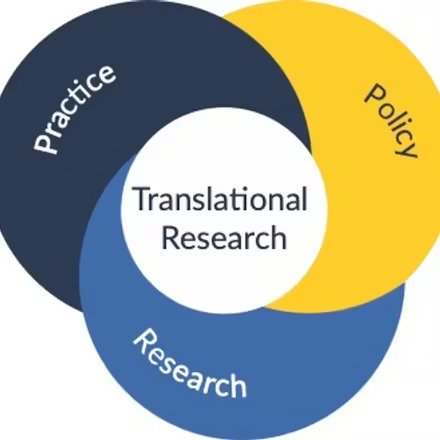
An introduction to the field of Translational Science and its applications to improve patient and community health through the four stages of translational research.
Translational science is the process of turning observations in the laboratory, clinic, and community into interventions that improve the health of individuals and populations.
As the translational research enterprise — both in the United States and internationally — continues to expand, there is a growing need to increase the number of people pursuing training in the fields of clinical research and translational science. This includes a continuing demand for a well-trained workforce of research investigators, clinician-scientists, and other research professionals.
In this online course series, you will learn about these in-demand fields with an introduction to the four phases of translational science and how they relate to both clinical and translational research. Specifically, you’ll explore:
● What constitutes translational science research.
● The role of the federal government and industry in the support and regulation of this research.
● The need for core principles of conducting rigorous and responsible translational research.
● How to begin a career in translational research.
● Why addressing health disparities and inequities in translational research is important.
Dean
4 Learning Experiences
Course content developed by U-M faculty and managed by the university. Faculty titles and affiliations are updated periodically.
Beginner Level
No prior experience required.
Understand translational research stages and how lab discoveries become real-world health interventions.
Understand how scientific discoveries transition into real-world health applications through innovations in drug discovery, diagnostics, and treatment development.
Discover how clinical trials inform evidence-based guidelines and how discoveries are applied in human healthcare research and practice.
Learn how to connect health research with community needs through ethical data science, partnerships, and addressing public health crises.
Explore how health research influences policy by evaluating outcomes and translating findings into real-world decisions and practice.