Free U-M Access
Course
AI for Lawyers: Time and Tasks
Learn how to delegate tasks effectively using AI, avoid common pitfalls, and boost productivity in legal and advocacy work.
Your browser is ancient!
Upgrade to a different browser to experience this site.
Showing 1–25 of 276 items
Learn how to delegate tasks effectively using AI, avoid common pitfalls, and boost productivity in legal and advocacy work.
Learn to organize, summarize, and visualize data in R using tools like RStudio, ggplot, and data transformation techniques.
Use Python to create generative art and dynamic visual designs with project-based coding in Processing.
Learn how to apply AI in healthcare diagnostics while understanding ethical, clinical, and technical considerations in medical decision-making.
Use Python data structures and object-oriented design to enhance creative projects and develop computational thinking for visual design.
Learn to ensure high data quality during collection and design processes to improve the integrity of research and analytics.
Examine how race, class, and geography affect environmental health and explore emerging equity movements shaping a just future.
Use R and ggplot2 to explore public datasets and create insightful, equity-focused visualizations for planning and reporting.
Assess health risks of chemicals in everyday products and explore tools and models used for life cycle toxicity evaluation.
Learn how to improve worker well-being using data-driven approaches that align business outcomes with employee needs.
Learn to manage global HR practices by navigating cultural diversity and addressing challenges of international workforce management.

Learn to design solutions with social impact by integrating equity, stakeholder engagement, and ethical decision-making.
Explore binary outcomes and build logistic regression models using R to analyze and predict health data with guided coding practice.
Use improvement science to design, test, and scale solutions for persistent problems in education and community systems.
Learn to code visually with Python through dynamic shapes and data structures using the Processing platform.
Explore how rocket science powers GPS, weather prediction, and planetary exploration—and how it’s portrayed in popular media.
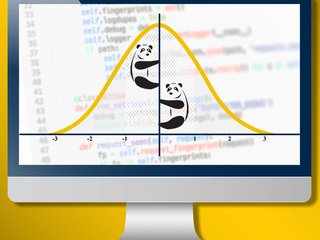
Apply Python and scientific libraries like NumPy and SciPy to solve statistical problems and explore probability, distributions, and relationships in data.

Explore the public health impact of tobacco, nicotine use, industry influence, and evolving policy and regulatory challenges in the U.S. and globally.
Learn Python and Rhino scripting to create computational design workflows and generate geometric forms through coding and procedural design.
Explore how AI models work, challenge media myths, and gain tools to think critically about AI in society.
Explore World War II rocket development, Cold War space race, and modern advancements in space exploration and tourism.
Explore how local educators and communities drive innovation through collaborative, continuous improvement focused on equity and access.
Understand how social environments and policies shape health outcomes and contribute to persistent health disparities.
Explore the physics of rocket science, including orbital mechanics and engine types, and how we might reach Mars.

Understand the fundamentals of real estate development and learn to assess community-based projects with social and financial impact.