
Your browser is ancient!
Upgrade to a different browser to experience this site.
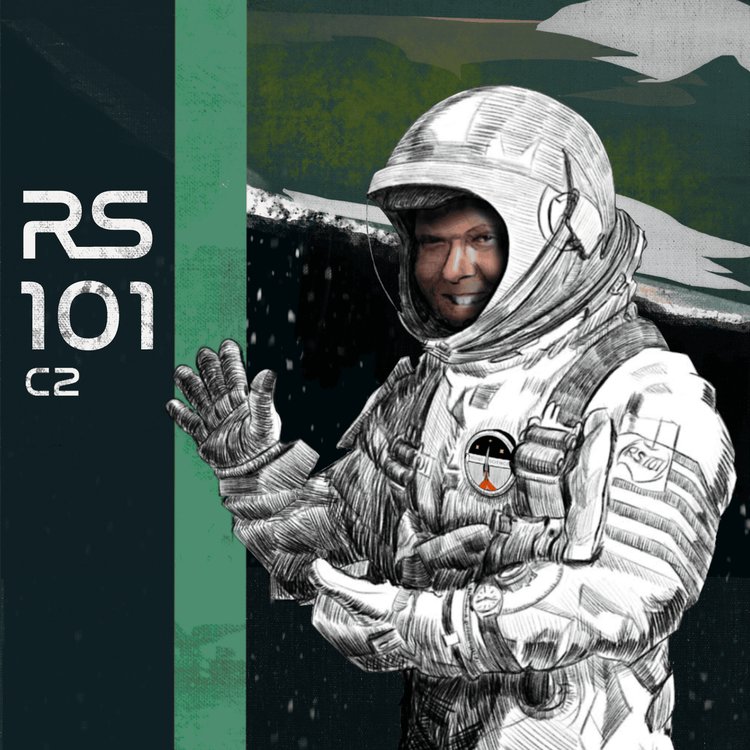
The History of Rocket Science

What You'll Learn

  • Describe the progression and the reasoning behind the US's Mercury, Gemini, and Apollo programs
  • Describe the costs and benefits of the space shuttle program, and why the US lost two shuttles
  • Describe how Germany developed rockets for warfare in WWII and how the US and USSR used this technology to develop their rocket programs
4 Modules
8 Hours
2 hrs per module (approx.)
Rating

About The History of Rocket Science

Modern rocket design started amidst World War II, pushing the boundaries of what rocketry was capable of. In The History of Rocket Science, you’ll gain a deeper understanding of this complicated history and discuss key advancements, like the creation of the V2 rocket. Examine the ramifications of the advancements of rocket science from a historical and societal perspective, going beyond the technological advancements during the war. This course also explores the Cold War, culminating in the United States’ creation of the Apollo 11 — the pivotal creation that landed the U.S. on the moon. Round out the course by getting a first-hand look at space shuttles, space stations, space tourism, and how companies are opening up space exploration.

Skills You'll Gain

  • Propulsion
  • Spacecraft Propulsion

What You'll Earn

Certificate of Completion:
Certificates of completion acknowledge knowledge acquired upon completion of a non-credit course or program.
Experience Type
100% Online
Format
Self-Paced
Subject
  • Science
  • Technology
Platform
Coursera
Welcome Message

Welcome to The History of Rocket Science, the second course in the Rocket Science 101 series. This course traces the evolution of rocket science from early developments through modern space exploration, examining technological, political, and societal influences.

This abbreviated syllabus description was created with the help of AI tools and reviewed by staff. The full syllabus is available to those who enroll in the course.

Course Schedule

Module 1: The Advent of Modern Rockets

  • Video: Welcome to the History of Rocket Science Course
  • Reading: Syllabus
  • Discussion Prompt: Meet your Fellow Learners
  • Reading: Help Us Learn More About You!
  • Reading: Content Notice
  • Video: The History of Pre-Modern Rockets
  • Reading: Rockets Before WWII: Innovations & Scientists
  • Graded Assignment: Knowledge Check: Rockets Before WWII
  • Video: The Invention of the V2 Rocket
  • Reading: Rockets During WWII: Cost & Notable Engineers
  • Graded Assignment: Knowledge Check: Rockets During WWII
  • Video: Rockets Post-WWII
  • Reading: Rockets Post WWII: US & USSR Activities
  • Discussion Prompt: How the World Should Have Reacted?
  • Reading: Extra Resources: The Advent of Modern Rockets
  • Graded: Week 1 Quiz: The Advent of Modern Rockets

Module 2: The Space Race

  • Reading: Reminder: Content Notice
  • Video: Early Space Exploration to 1961—Part 1
  • Video: Early Space Exploration to 1961—Part 2
  • Reading: The Sputnik and Yuri Gagarin Era: US & USSR Activities
  • Graded Assignment: Knowledge Check: The Sputnik and Yuri Gagarin Era
  • Video: Ramping Up the Space Race: The Mercury Era
  • Reading: The Mercury Era: US & USSR Activities
  • Graded Assignment: Knowledge Check: The Mercury Era
  • Video: The Gemini Era: US and USSR Achievements
  • Reading: US & USSR Achievements During The Gemini Era
  • Graded Assignment: Knowledge Check: The Gemini Era
  • Video: The Apollo Era: Successes & Failures—Part 1
  • Video: The Apollo Era: Successes & Failures—Part 2
  • Reading: The Apollo Era: US & USSR Success and Failures
  • Graded Assignment: Knowledge Check: The Apollo Era
  • Video: US Moon Missions: A Tribute to Katherine Johnson
  • Video: One More Thing for This Week: If Kennedy Had Lived
  • Reading: Extra Resources: The Space Race
  • Graded: Week 2 Quiz: The Space Race

Module 3: The Space Shuttle Era

  • Video: The Development of Fast Airplanes in the US
  • Reading: Fast Airplanes in the US: A Timeline
  • Graded Assignment: Knowledge Check: Fast Airplanes
  • Video: The Development of Space Stations
  • Reading: Space Stations' Development: A Timeline
  • Graded Assignment: Knowledge Check: Space Stations
  • Video: The Truck to Space: The Development of the Space Shuttle
  • Reading: The US Space Shuttle Program: Genesis & Ending
  • Graded Assignment: Knowledge Check: The Space Shuttle
  • Discussion Prompt: Point of Discussion: Are We Spending Too Much Taxpayer Money on Space?
  • Video: One More Thing for This Week: The USSR's Space Shuttle
  • Reading: Extra Resources: The Space Shuttle Era
  • Graded: Week 3 Quiz: The Space Shuttle Era

Module 4: The Industrial Revolution

  • Video: Small Satellites: Start and Exploring Missions
  • Reading: Small Satellites Development: A Timeline
  • Graded Assignment: Knowledge Check: The Growth of Small Satellites
  • Video: Reducing Launch Cost: Electron + Other Launch Vehicles
  • Reading: Reducing Launch Cost: A Timeline
  • Graded Assignment: Knowledge Check: Reducing Launch Costs
  • Video: Bigger and Bolder: The Push Outwards
  • Reading: Mission to Mars: Extensive Summary
  • Graded Assignment: Knowledge Check: Beyond Earth
  • Video: One More Thing for This Week: Hotels in Space?
  • Discussion Prompt: Will Space be Accessible for People With Disabilities?
  • Reading: Extra Resources: The Industrial Revolution
  • Video: Course Wrap-Up
  • Reading: Post-Course Survey
  • Graded: Week 4 Quiz: The Industrial Revolution
Grading Policy

The course grade is based on four module quizzes worth 25% each.

Portrait of Aaron Ridley
Aaron Ridley

Professor of Climate and Space Sciences and Engineering

Course content developed by U-M faculty and managed by the university. Faculty titles and affiliations are updated periodically.

Beginner Level

There is no required background, as the material is introductory. Some algebra-level mathematical concepts are discussed, but not required.

Enrollment Options

Individuals

This experience is available to individual learners on the following platforms:

U-M Community

Students, faculty, staff, and alumni of the University of Michigan get free access.

Organizations

Special pricing and tailored programming bundles available for organizational partners.

What are Coursera and edX?

Michigan Online learning experiences may be hosted on one or more learning platforms. Platform features may vary, including payment models, social communities, and learner support.

Coursera

  • Hosts online courses, series, and Teach-Outs from Michigan Online
  • Enroll and preview courses anytime
  • May earn a non-credit certificate from Coursera

edX

  • Hosts online courses and series from Michigan Online
  • Many offer a free (limited) audit option
  • May earn a non-credit certificate from edX

For more information visit the What are Coursera and edX? FAQ section

Reviews and Ratings

4.9

19 Ratings from Coursera

Michigan Online
For You

Sign up for a Michigan Online account to customize your experience!