Clinical Professor, School of Information
Your browser is ancient!
Upgrade to a different browser to experience this site.
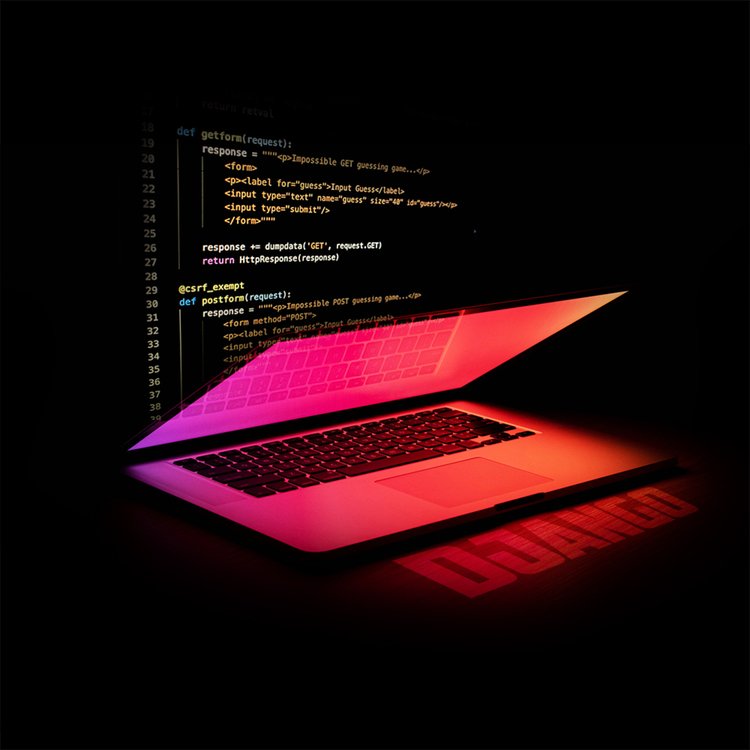
In this course, you'll explore the basic structure of a web application, and how a web browser interacts with a web server. You'll be introduced to the Hypertext Transfer Protocol (HTTP) request/response cycle, including GET/POST/Redirect. You'll also gain an introductory understanding of Hypertext Markup Language (HTML), as well as the overall structure of a Django application. We will explore the Model-View-Controller (MVC) pattern for web applications and how it relates to Django. You will learn how to deploy a Django application using a service like PythonAnywhere so that it is available over the Internet.
This is the first course in the Django for Everybody specialization. It is recommended that you complete the Python for Everybody specialization or an equivalent learning experience before beginning this series.
Welcome to Web Application Technologies and Django, a course that introduces how dynamic web applications work and how browsers communicate with servers. You will explore the HTTP request–response cycle, core web technologies like HTML and CSS, and the structure of Django applications. By the end of the course, you will understand how databases, web frameworks, and deployment come together to support modern web applications.
This abbreviated syllabus description was created with the help of AI tools and reviewed by staff. The full syllabus is available to those who enroll in the course.
Module 1: Introduction to Dynamic Web Content
Module 2: Installing Django on PythonAnywhere
Module 3: Hypertext Markup Language (HTML)
Module 4: Cascading Style Sheets (CSS)
Module 5: Introducing Structured Query Language (SQL)
Learners are assessed through hands-on activities and auto-graded assignments that evaluate understanding of web technologies and Django fundamentals. Each assignment is worth 25% of your final grade.
Clinical Professor, School of Information
Course content developed by U-M faculty and managed by the university. Faculty titles and affiliations are updated periodically.
Intermediate Level
Some related experience required