
Accenture Professor of Computer Information Systems, Professor of Technology & Operations
Your browser is ancient!
Upgrade to a different browser to experience this site.
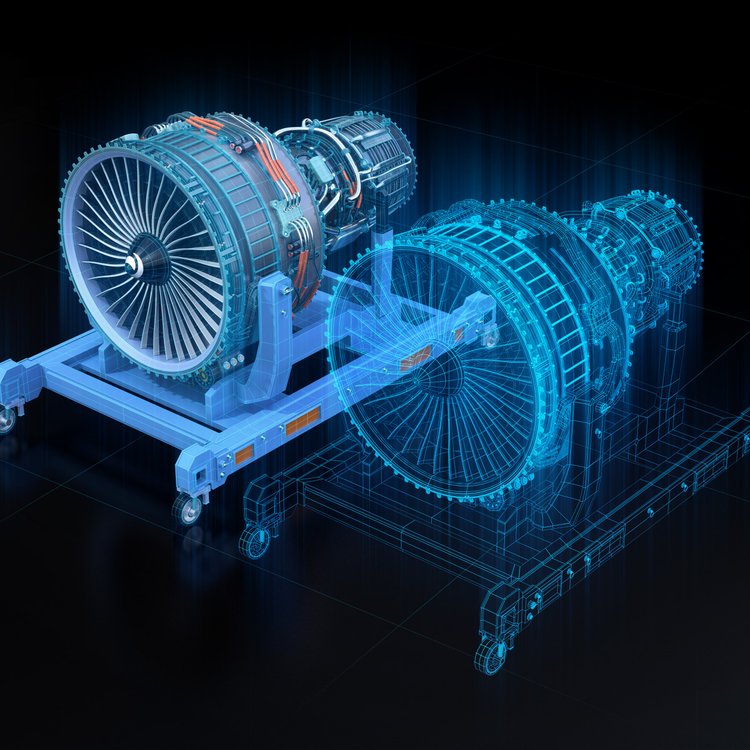
In this course, learners will be introduced to the concept of Digital Twins, learn how it is applied in manufacturing, and what businesses should consider as they decide to implement this technology. Considerations include information technology infrastructure, the business value of implementing Digital Twins, and what needs to happen across the organization to ensure successful implementation.
Learners will hear from industry experts as they share their perspectives on the opportunities and challenges of implementing Digital Twins, how Digital Twins is being implemented in their companies, and insights on the future of this technology within their industry and across manufacturing.
The content presented in this course draws on a number of real-life interviews and case studies, and was created through a partnership with Siemens.
Welcome to Digital Twins, a course designed to help learners understand the concept of Digital Twins and how this transformative technology is applied in manufacturing. You will explore the types, value propositions, business benefits, implementation strategies, risks, and future trends of Digital Twins. Learn directly from industry leaders and real-world examples to develop practical insights. This course, which is part of the Digital Technologies and the Future of Manufacturing series, assumes a basic understanding of technology and software.
This abbreviated syllabus description was created with the help of AI tools and reviewed by staff. The full syllabus is available to those who enroll in the course.
Module 1: What is a Digital Twin?
Module 2: Digital Twins Platform, Ecosystem, and Business Context
Module 3: Future Trends and Summary
This course includes quizzes and a course project. Learners pursuing a certificate will be assessed via three quizzes worth 20% each and a course project worth 40%. The course project requires a 500-word formal proposal and a 250-word informal recommendation, evaluated by two peers. Learners will also provide feedback on two peers’ submissions. All assessments are linked to course concepts and frameworks.
Accenture Professor of Computer Information Systems, Professor of Technology & Operations
Course content developed by U-M faculty and managed by the university. Faculty titles and affiliations are updated periodically.
Beginner Level
No prior experience required