Assistant Professor
Your browser is ancient!
Upgrade to a different browser to experience this site.
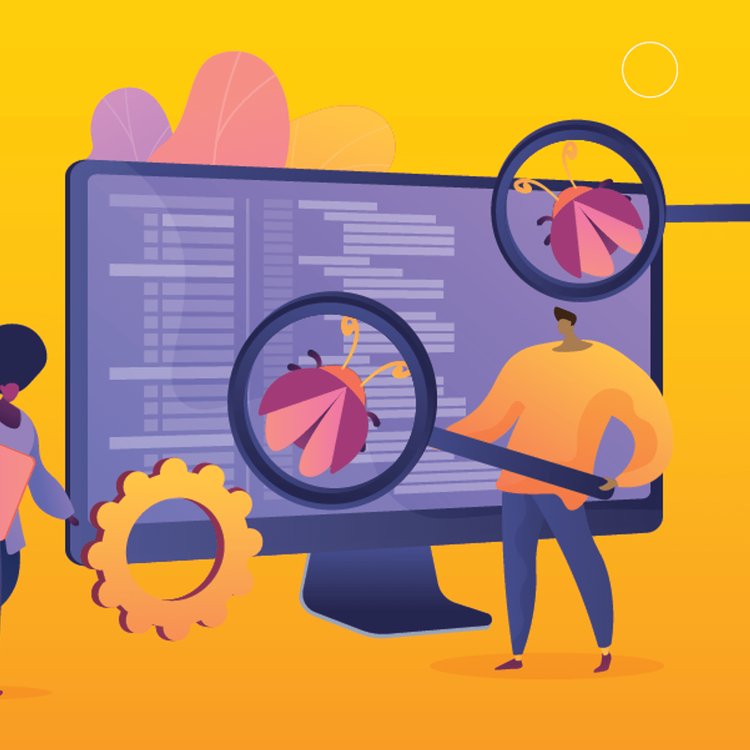
Learning how to debug is the most valuable skill to develop as you learn to program. This four-week course from the University of Michigan will help you improve your programming ability by providing you with the skills you need to understand and debug code.
What’s more, you’ll learn the crucial techniques to help minimize mistakes and problems in your code.
Most modern development environments contain a debugger, which you can use to find bugs and understand what is happening in your code. However, many people still rely on print statements when they debug.
This course will help you gain confidence in using debuggers, so you can spend less time seeking out and fixing bugs and focus on building exciting new programming projects. The majority of coding errors occur when the programmer doesn’t understand the code or makes mistakes with the language, resulting in bugs. In this course, you’ll gain the knowledge and skills needed to spot and solve semantic and syntax errors more easily. You’ll also streamline your coding process by learning to write and run unit tests to examine and check your code.
This course is designed for those interested in developing their Python skills or communicating with other programmers in a professional setting.
Debugging: Hunting and Squashing Bugs teaches systematic approaches to preventing, finding, and fixing software errors. Learners practice debugging techniques using unit tests, file processing, regular expressions, and the Visual Studio Code debugger through hands-on exercises and quizzes.
This abbreviated syllabus description was created with the help of AI tools and reviewed by staff. The full syllabus is available to those who enroll in the course.
Module 1: Working with Files and Unit Tests
Module 2: Parsing CSV Data and Using a Debugger
Module 3: CSV Reader and Writer Debugging
Module 4: Regex
This course features four graded quizzes, each worth 25% of your final grade.
Assistant Professor
Course content developed by U-M faculty and managed by the university. Faculty titles and affiliations are updated periodically.
Intermediate Level
Some related experience required