Professor Emerita of Environment and Sustainability, School for Environment and Sustainability
Your browser is ancient!
Upgrade to a different browser to experience this site.
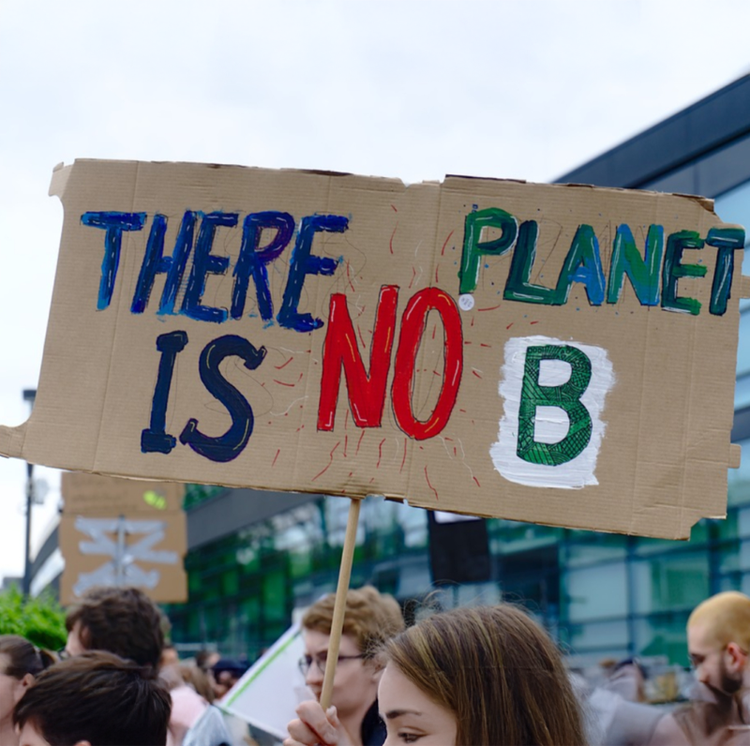
Climate change hits hardest where people and environments are most vulnerable. Adapting to it is as much a social challenge as a technical one. In "Climate Change & Adaptation," you'll explore the social dimensions of adaptation and how it shapes livelihoods, especially in less-developed regions.
The course examines the concepts at the heart of climate adaptation and impacts: vulnerability and resilience, the ways human societies have historically adapted to climate variability and change, and future adaptation needs that will shape development to come.
This is the second course in the "Climate Solutions" series, a three-course series on addressing climate change with innovative, community-centered strategies that protect biodiversity for the benefit of all.
Welcome to Climate Change Adaptation and Development. As you begin this course, take a moment to review the syllabus below to better understand the course goals, expectations, assessment methods, policies, and the support resources available to you throughout your learning experience.
This abbreviated syllabus description was created with the help of AI tools and reviewed by staff. The full syllabus is available to those who enroll in the course.
Module 1: Introduction to Climate Change & Adaptation
Module 2: Impacts of Climate Change on Water
Module 3: Adaptation & Disasters
Module 4: Adaptation in Urban & Rural Setting
Module 5: Climate-Resilient Pathways
To pass this course, learners must achieve an overall grade of 80% or higher. There are four module-level quizzes worth 15% each (60% total), one graded gallery activity worth 10%, and one peer-reviewed assignment worth 30% of the final grade.
Professor Emerita of Environment and Sustainability, School for Environment and Sustainability
Lecturer
Course content developed by U-M faculty and managed by the university. Faculty titles and affiliations are updated periodically.
Beginner Level
No degree or prior experience required. Anyone interested in climate solutions, innovation, or global development can succeed in the course.