
Your browser is ancient!
Upgrade to a different browser to experience this site.
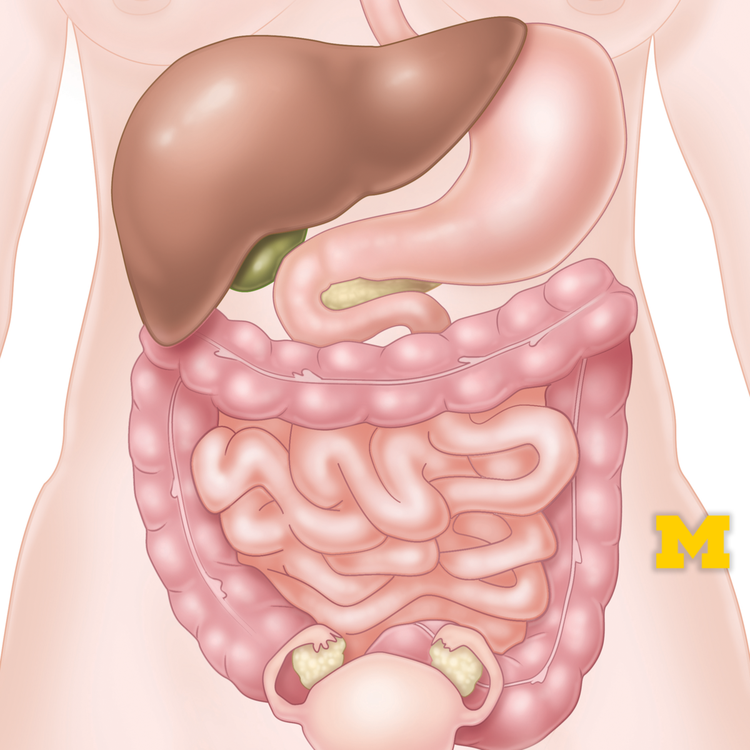
Integument, Gastrointestinal, Pelvic, and Endocrine Anatomy

What You'll Learn

  • Learn how the integumentary system protects our body.
  • Explore important relationships between the integumentary, gastrointestinal, endocrine systems and the pelvic region.
  • Understand the primary functions of structures within the integumentary, gastrointestinal, endocrine systems, and the pelvic region.
4 Modules
16 Hours
4 hrs per module (approx.)
Rating

About Integument, Gastrointestinal, Pelvic, and Endocrine Anatomy

Develop a firm understanding of human anatomy with Integument, Gastrointestinal, Pelvic, and Endocrine Anatomy. In this course, you will explore the anatomy of four major organ systems and one region: the integumentary, gastrointestinal, and endocrine systems, and the pelvic region.

Examine the key structural features of each, such as the layers of the skin, the organization of the gastrointestinal tract, the arrangement of internal pelvic viscera, and the glands and tissues that make up the endocrine system. You will analyze how these components relate to one another in structure and function. By the end of the course, you will be able to describe the major anatomical components of these systems, explain their primary functions, and distinguish among interrelated structures within and across systems.

This is the fourth course in the Anatomy course series, an introduction to the major functions of the human body, from the musculoskeletal and nervous systems, to the function of the heart, lungs, and hormonal pathways.

Skills You'll Gain

  • Anatomy
  • Biology
  • Digestive System
  • Endocrinology
  • Gastrointestinal Pathology
  • Integumentary System
  • Pelvic Health
  • Reproductive Health

What You'll Earn

Certificate of Completion
Certificates of completion acknowledge knowledge acquired upon completion of a non-credit course or program.
Experience Type
100% Online
Format
Self-Paced
Series
Subject
  • Health
Platform
Coursera
Welcome Message

In this course, you will explore the anatomy of the integumentary, gastrointestinal, and endocrine systems, as well as the pelvic region. You’ll examine the skin, gastrointestinal tract, internal pelvic viscera, and endocrine glands and tissues while considering how their structures relate to their functions. By the end of the course, you’ll be able to identify major anatomical components, explain their primary functions, and distinguish among interrelated structures.

This abbreviated syllabus description was created with the help of AI tools. The full syllabus is available to those who enroll in the course.

Course Schedule

Module 1: Welcome and Integumentary Anatomy

  • Lesson 0: Welcome to Integumentary, Gastrointestinal, Pelvic, and Endocrine Anatomy
  • Reading: Course Introduction
  • Reading: Syllabus & Course Resources
  • Reading: Help Us Know More About You
  • Reading: Foundational Anatomy Content
  • Practice Assignment: Foundational Anatomy Content
  • Lesson 1: Functions of the Integumentary System
  • Video: Functions of the Integumentary System
  • Lesson 2: Epidermis, Dermis, & Hypodermis
  • Video: Epidermis
  • Video: Dermis
  • Video: Hypodermis
  • Lesson 3: Skin Color & Markings
  • Video: Skin Color & Markings
  • Practice Assignment: Integumentary Anatomy
  • Lesson 4: Hair & Nails
  • Video: Hair
  • Video: Nails
  • Lesson 5: Glands Associated with Skin
  • Video: Glands Associated with Skin
  • Lesson 6: Skin Disorders
  • Video: Skin Disorders
  • Graded Assignment: Integumentary Anatomy
  • Reading: Preview of Modules 2–4

Module 2: Gastrointestinal Anatomy

  • Lesson 1: Digestive System Structure & Function
  • Video: Digestive System Structure & Function
  • Lesson 2: Aerodigestive Pathway
  • Video: Aerodigestive Pathway
  • Lesson 3: Peritoneum
  • Video: Peritoneum
  • Practice Assignment: Gastrointestinal Anatomy
  • Lesson 4: Esophagus
  • Video: Esophagus
  • Lesson 5: Foregut
  • Video: Foregut: Stomach
  • Video: Foregut: Duodenum
  • Lesson 6: Accessory Organs
  • Video: Accessory Organs of the Oral Cavity
  • Video: Accessory Organs: Liver
  • Video: Accessory Organs: Gallbladder & Biliary Tree
  • Video: Accessory Organs: Pancreas
  • Practice Assignment: Foregut & Accessory Organs
  • Lesson 7: Midgut
  • Video: Midgut: Jejunum & Ileum
  • Video: Midgut: Large Intestine
  • Lesson 8: Hindgut
  • Video: Hindgut: Rectum & Anal Canal
  • Practice Assignment: Midgut & Hindgut Quiz
  • Lesson 9: Arteries
  • Video: Arteries: Abdominal Aorta & Branches
  • Video: Arteries: Celiac Trunk
  • Video: Arteries: Superior Mesenteric Artery
  • Video: Arteries: Inferior Mesenteric Artery
  • Lesson 10: Veins
  • Video: Veins: Hepatic Portal System
  • Lesson 11: Autonomics
  • Video: Autonomics of the Gut
  • Practice Assignment: Vasculature
  • Graded Assignment: Gastrointestinal Anatomy

Module 3: Pelvic Anatomy

  • Lesson 1: Sex, Gender, and Continuum of Pelvic Anatomy Traits
  • Video: Sex, Gender, and Continuum of Pelvic Anatomy Traits
  • Lesson 2: Organization of Internal Pelvic Viscera
  • Video: Organization of Internal Pelvic Viscera
  • Lesson 3: Gonads
  • Video: Gonads
  • Lesson 4: Internal Pelvic Organs
  • Video: Uterine Tubes
  • Video: Uterus
  • Video: Vagina
  • Video: Pathway of Semen: Ductus Deferens to Prostate
  • Video: Pelvic Diaphragm
  • Practice Assignment: Internal Pelvic Organs
  • Lesson 5: External Genitalia
  • Video: Perineum
  • Video: Vulva
  • Video: Scrotum & Spermatic Cord
  • Video: Penis
  • Practice Assignment: External Genitalia
  • Lesson 6: Neurovasculature of the Pelvis
  • Video: Neurovasculature of the Pelvis
  • Lesson 7: Sexual Response
  • Video: Sexual Response
  • Lesson 8: Reproductive (Ovarian & Uterine) Cycle
  • Video: Reproductive Cycle (Ovarian & Uterine Cycle)
  • Graded Assignment: Pelvic Anatomy

Module 4: Endocrine Anatomy

  • Lesson 1: Introduction to the Endocrine System
  • Video: Endocrine System: Introduction (1)
  • Video: Endocrine System: Introduction (2)
  • Video: Hypothalamus and Pituitary Gland 1
  • Video: Hypothalamus and Pituitary Gland 2
  • Video: Hypothalamus and Pituitary Gland 3
  • Practice Assignment: Introduction to the Endocrine System
  • Practice Assignment: Interactive Practice Assignment: Introduction to the Endocrine System
  • Lesson 2: Glands & Tissues Dependent on the Pituitary Gland
  • Video: Thyroid Gland
  • Video: Suprarenal Gland 1
  • Video: Suprarenal Gland 2
  • Video: Ovaries
  • Video: Testes
  • Video: Mammary
  • Video: Growth Hormone
  • Practice Assignment: Pituitary Gland Dependent Glands & Tissues
  • Reading: Interactive Practice Assignment: Pituitary Gland Dependent Glands & Tissues
  • Lesson 3: Glands & Tissues not Dependent on the Pituitary Gland
  • Video: Endocrine Pancreas
  • Video: Parathyroid Gland
  • Video: Pineal Gland
  • Video: Other Endocrine Tissues
  • Practice Assignment: Other Glands & Tissues
  • Reading: Interactive Practice Assignment: Other Glands & Tissues
  • Graded Assignment: Endocrine Anatomy

Course Wrap-Up

  • Reading: Post-Course Survey
  • Reading: Keep Learning with Michigan Online
Grading Policy

Course materials and assignments are available for self-paced learning. To pass the course and earn the certificate, you must achieve an overall grade of 80% or higher.

The course includes four graded quizzes totaling 70 questions. Together, these questions account for 100% of the course grade. Each quiz is weighted according to the number of questions it contains.

Portrait of Glenn M. Fox
Glenn M. Fox

Teaching Professor in Anatomical Sciences and Director of Anatomical Donations, Medical School

Course content developed by U-M faculty and managed by the university. Faculty titles and affiliations are updated periodically.

Beginner Level

No prior experience required

Enrollment Options

Individuals

This experience is available to individual learners on the following platforms:

U-M Community

Free access is only available to current U-M students, alumni, faculty, and staff.

Organizations

Special pricing and tailored programming available for organizational partners.

What are Coursera and edX?

Michigan Online learning experiences may be hosted on one or more learning platforms. Platform features may vary, including payment models, social communities, and learner support.

Coursera

  • Hosts online courses, series, and Teach-Outs from Michigan Online
  • Enroll and preview courses anytime
  • May earn a non-credit certificate from Coursera

edX

  • Hosts online courses and series from Michigan Online
  • Many offer a free (limited) audit option
  • May earn a non-credit certificate from edX

For more information visit the What are Coursera and edX? FAQ section

Reviews and Ratings

4.8

479 Ratings from Coursera

Most Recent Reviews

Read all reviews
<co-content><text>I do like this course</text></co-content>
Me pareció un curso increíble
GOOD
its a good course
It was a good course
The pics, videos, and illustrations are horrendous. They are tiny, primitive, and unclear. There are vastly better videos on YouTube describing anatomy.
difficult

Michigan Online
For You

Sign up for a Michigan Online account to customize your experience!