
Assistant Professor
Your browser is ancient!
Upgrade to a different browser to experience this site.
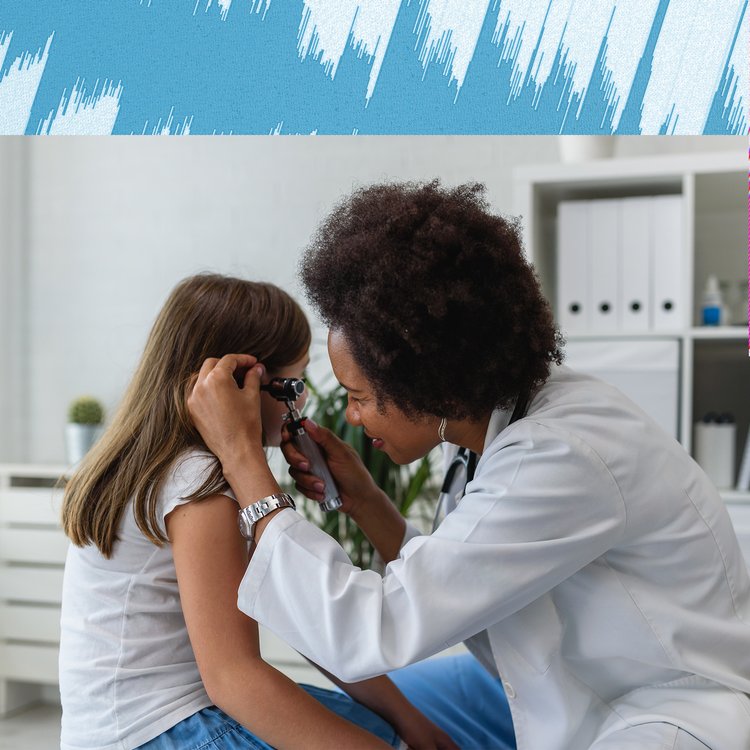
Approximately 2 to 3 out of 1000 children in the United States are born with a significant hearing loss. Early identification and intervention of hearing loss is crucial to children’s lifelong learning outcomes. It is well documented that later identification of hearing loss can lead to significant delays in children’s speech, language, literacy, social and emotional development.
This course addresses gaps currently existing in the health education curriculum for pediatric hearing loss and gives learners the foundational knowledge that can be applied immediately in a broad range of health, educational, and home settings.
Benefits of the course include:
• Basics of hearing and vestibular systems
• Overview of early hearing screening programs
• Clinic videos related to diagnosis, treatment & management of hearing loss in children
• Personal interviews with children who are Deaf or Hard of Hearing
• Overview of the public health & educational infrastructure supporting children who are Deaf or Hard of Hearing
• Taught by multi-disciplinary pediatric experts
• Exclusive operating room footage exploring ear anatomy and surgical ear procedures
The University of Michigan Medical School designates this enduring material for a maximum of 11.5 AMA PRA Category 1 Credit(s)™. The University of Michigan Medical School is accredited by the Accreditation Council for Continuing Medical Education (ACCME) to provide continuing medical education for physicians.
This activity contributes to the CME component of the American Board of Pediatrics’s Maintenance of Certification Part II program. More information can be found in the course.
If you would like to earn CME/MOC credit for participating in this course, please review the information in the course prior to beginning the activity. At the end of the course you will get specific instructions on how to get your free CME.
Hearing Loss in Children provides foundational knowledge on pediatric hearing loss, early identification, and intervention. Learners explore hearing systems, screening programs, diagnosis, and management strategies while gaining insight into the educational and public health infrastructure supporting children who are deaf or hard of hearing.
This abbreviated syllabus description was created with the help of AI tools and reviewed by staff. The full syllabus is available to those who enroll in the course.
Module 1: Ear Anatomy
Module 2: Hearing Loss and Assessments
Module 3: Hearing Loss Diagnosis and Impact on Speech and Language Development
Module 4: Interventions for Hearing Loss
Module 5: Pediatric Vestibular System/Balance
Learners must earn at least 80% overall to pass. Each module quiz is weighted equally at 20%.
Assistant Professor
Course content developed by U-M faculty and managed by the university. Faculty titles and affiliations are updated periodically.
Intermediate Level
Some related experience required