
Your browser is ancient!
Upgrade to a different browser to experience this site.
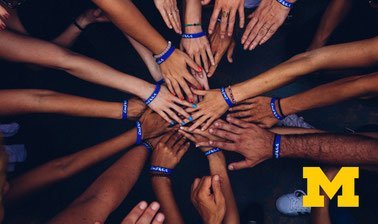
Community Engagement: Collaborating for Change

What You'll Learn

  • Valuing community context and expertise
  • Understanding how social identities, power, and privilege impact your interactions
  • Approaches to collaborative leadership, such as listening effectively, resolving conflicts, and building mutually-beneficial partnerships
  • Reflecting on your work, and transitioning in and out of communities
7 Modules
28 Hours
4 hrs per module (approx.)

About Community Engagement: Collaborating for Change

Now more than ever, people are seeking ways to affect change in their communities — both locally and around the world. This course is for anyone — from novices to experienced practitioners — who wants to work more effectively with community members and organizations, including through, but not limited to:

  • community-academic partnerships
  • social change projects
  • community service and learning
  • education and work abroad
  • traditional and community-based participatory research
  • non-profit internships
  • public scholarship
  • civic performance

Prepare in advance or take this course simultaneously to get the most out of your experience by engaging with communities ethically, respectfully, and sustainably.

Developed by a highly interdisciplinary team of U-M content experts and faculty, this course is designed to be both engaging and challenging, offering an accessible entry into foundational topics as well as a jumping off point to pursue work and further learning in effective community engagement. It is also a toolkit and a roadmap that offers concrete takeaways and resources for working effectively with communities.

Throughout the course, you’ll learn from experienced U-M students, faculty, and staff and local community partners, and you’ll have many opportunities to try out and apply the principles and concepts you’re learning.

No prior community engagement experience necessary.

Skills You'll Gain

  • Collaboration
  • Community Advocacy
  • Community-Based Participatory Research
  • Community Organizing

What You'll Earn

Certificate of Completion:
Certificates of completion acknowledge knowledge acquired upon completion of a non-credit course or program.
Experience Type
100% Online
Format
Self-Paced
Subject
  • Arts & Culture
  • Social Sciences
Platform
edX
Welcome Message

Community Engagement: Collaborating for Change prepares learners to work ethically, respectfully, and sustainably with communities. Through case studies, reflections, and knowledge checks, learners build skills in community context analysis, identity and power awareness, collaborative leadership, and project management for effective community-based change efforts.

This abbreviated syllabus description was created with the help of AI tools and reviewed by staff. The full syllabus is available to those who enroll in the course.

Course Schedule

Module 1: Introduction

  • Introduction
  • Knowledge Check: Introduction (4 Questions)

Module 2: Community Context and Ethical Engagement

  • Community Engagement: Working in Context
  • Valuing Community Expertise
  • Collecting & Organizing Community Information
  • Ethical Engagement
  • Knowledge Check: Community Context (10 Questions)

Module 3: Social Identities, Power, and Privilege

  • Social Identities
  • Power and Society
  • Privilege
  • Knowledge Check: Social Identity, Power, and Privilege (7 Questions)

Module 4: Collaborative Leadership

  • Building Partnerships
  • Listening in the Community
  • Adaptability and Flexibility
  • Conflict Negotiation
  • Knowledge Check: Collaborative Leadership (6 Questions)

Module 5: Reflections and Transitions

  • Personal Reflection for Thoughtful Engagement
  • Navigating Transitions: Adapting and Thriving
  • Sharing Your Story
  • Knowledge Check: Reflections and Transitions (7 Questions)
  • Videos: Self Care Strategies

Module 6: Community-Engaged Project Management

  • Planning
  • Taking Action
  • Evaluating Success
  • Sustainability & Knowledge
  • Knowledge Check: Project Management (8 Questions)

Module 7: Conclusion

  • Conclusion
  • Knowledge Check: Conclusion (9 Questions)
  • Post-Course Survey
Grading Policy

Learners must earn an overall grade of 80% across all module knowledge checks to pass. All assessments are quizzes.

Portrait of Katie Lopez
Katie Lopez

Director of Office of Global Activities & Adjunct Clinical Assistant Professor

Course content developed by U-M faculty and managed by the university. Faculty titles and affiliations are updated periodically.

Beginner Level

No prior experience required

Enrollment Options

Individuals

This experience is available to individual learners on the following platforms:

U-M Community

Students, faculty, staff, and alumni of the University of Michigan get free access.

Organizations

Special pricing and tailored programming bundles available for organizational partners.

What are Coursera and edX?

Michigan Online learning experiences may be hosted on one or more learning platforms. Platform features may vary, including payment models, social communities, and learner support.

Coursera

  • Hosts online courses, series, and Teach-Outs from Michigan Online
  • Enroll and preview courses anytime
  • May earn a non-credit certificate from Coursera

edX

  • Hosts online courses and series from Michigan Online
  • Many offer a free (limited) audit option
  • May earn a non-credit certificate from edX

For more information visit the What are Coursera and edX? FAQ section

Michigan Online
For You

Sign up for a Michigan Online account to customize your experience!