
Teaching Professor in Anatomical Sciences and Director of Anatomical Donations, Medical School
Your browser is ancient!
Upgrade to a different browser to experience this site.
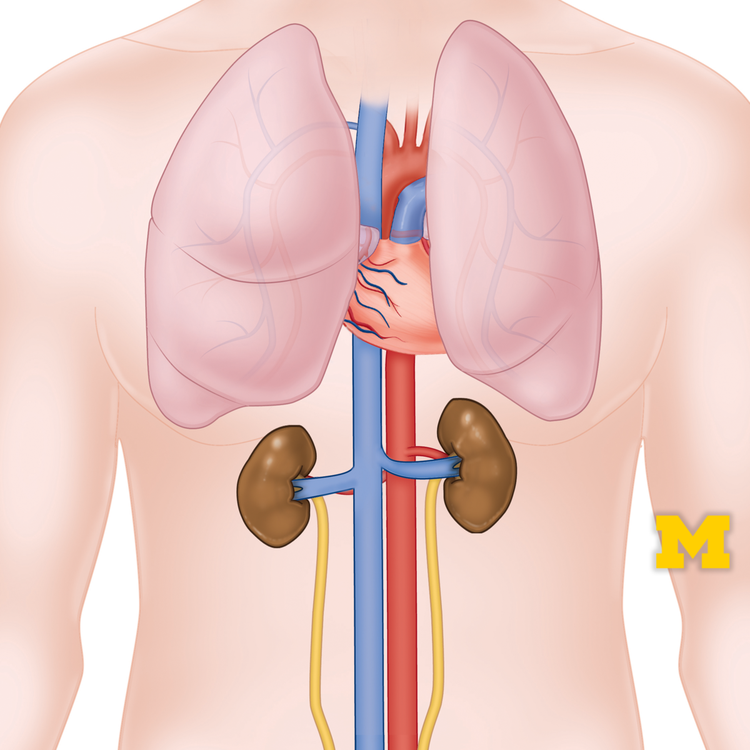
Despite their vast differences, the cardiovascular, respiratory, and urinary systems are interrelated. This course focuses on the structures and functions of each system. You will understand how the heart and vasculature distribute blood to target organs and tissues, how the body moves air for gas exchange, how the kidneys dynamically create urine, and how these systems work to maintain homeostasis through their effects on the blood.
This is the second course in the Anatomy course series, an introduction to the major functions of the human body, from the musculoskeletal and nervous systems to the heart, lungs, and hormonal pathways.
In this course, you will explore the structure and function of the cardiovascular, respiratory, and urinary systems, with an emphasis on how these systems work together to maintain homeostasis. You will examine key anatomical structures, including the heart, blood vessels, lungs, airways, kidneys, and associated pathways, while developing an understanding of processes such as circulation, gas exchange, and fluid balance. By the end of the course, you will be able to describe system organization, explain core physiological functions, and apply anatomical knowledge to understand how the body transports materials, regulates internal conditions, and eliminates waste.
This abbreviated syllabus description was created with the help of AI tools. The full syllabus is available to those who enroll in the course.
Module 1: Welcome and Cardiovascular Anatomy I
Module 2: Cardiovascular Anatomy II
Module 3: Respiratory Anatomy
Module 4: Urinary Anatomy
Course Wrap-Up
Course materials and assignments will remain open and available for self-paced learning. You must earn an overall grade of 80% in order to pass the course and earn the certificate.
This course includes four graded quizzes, with a total of 70 questions across all quizzes. Together, these 70 questions make up 100% of your course grade.
Teaching Professor in Anatomical Sciences and Director of Anatomical Donations, Medical School
Course content developed by U-M faculty and managed by the university. Faculty titles and affiliations are updated periodically.
Beginner Level
No prior experience required