Clinical Assistant Professor of Nutritional Science
Your browser is ancient!
Upgrade to a different browser to experience this site.
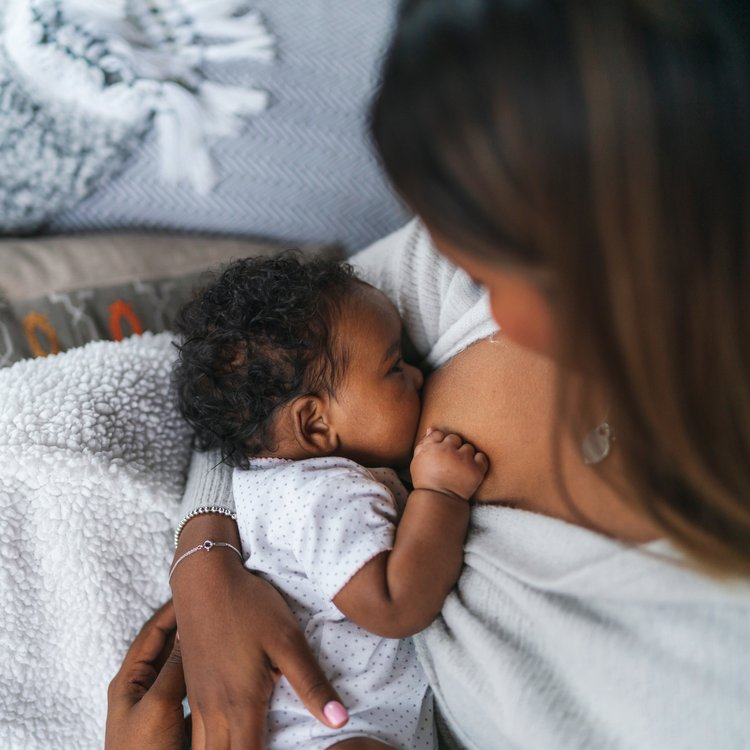
Engaging in this course will provide you with the opportunity to think about breastfeeding and its public health implications. The Socio-Ecological Model will be the framework of the course as we think about how each level of the Model (individual, interpersonal, community, organizational, and public policy) impacts breastfeeding practices in the United States, and globally.
Through short video lectures you will be introduced to relevant topics related to the public health perspectives of breastfeeding such as the maternal and child short- and long-term health benefits, economic and environmental impacts, the state of health profession curricula surrounding breastfeeding education, and breastfeeding practices of the LGBTQ+ community.
You will apply this knowledge to critique breastfeeding literature, create a breastfeeding budget for a particular breastfeeding parent persona, and design an education material to promote breastfeeding. As you complete this course, you should feel confident in identifying the barriers to successful breastfeeding practices and understand how adequate breastfeeding will impact population health.
Welcome to Breastfeeding: Public Health Perspectives, an online course exploring breastfeeding through a public health lens. Using the Socio-Ecological Model, you will examine how individual, interpersonal, community, organizational, and policy levels influence breastfeeding practices in the U.S. and globally. Learners will study health benefits, economic and environmental impacts, educational gaps, and diverse community practices, while applying insights to real-world budgeting, literature critique, and public health communication.
This abbreviated syllabus description was created with the help of AI tools and reviewed by staff. The full syllabus is available to those who enroll in the course.
Module 1
Module 2
Module 3
Module 4
To complete the course, learners must achieve an overall grade of 80% or higher. There is an ungraded pre-test and ungraded weekly practice quizzes. There are two assignments worth 30% of your final grade, and two assignments worth 40% of your final grade.
Clinical Assistant Professor of Nutritional Science
Course content developed by U-M faculty and managed by the university. Faculty titles and affiliations are updated periodically.
Beginner Level
No prior experience required
As public health advocates, if we can identify the factors that impact successful breastfeeding from the personal to societal level, we can then better advocate for breastfeeding across populations and support equitable opportunities to breastfeed.
Olivia S. Anderson, PhD, RD Clinical Assistant Professor of Nutritional Science
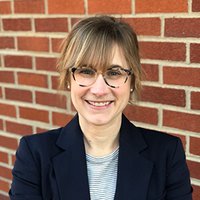
Despite well-documented benefits, parents encounter barriers to successful breastfeeding that arise from society, health care priorities, interpersonal relationships, and even parents themselves. We designed this course so everyone from parents to health care providers…
Olivia S. Anderson, PhD, RD Clinical Assistant Professor of Nutritional Science
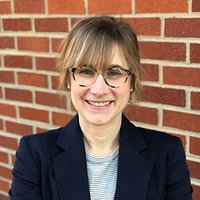
Breastfeeding practices positively impact the health of children, breastfeeding parents, the economy, and the environment. The key to improving breastfeeding rates in our communities lies within mitigating barriers to breastfeeding.
Olivia S. Anderson, PhD, RD Clinical Assistant Professor of Nutritional Science
Despite well-documented benefits, parents encounter barriers to successful breastfeeding that arise from society, health care priorities, interpersonal relationships, and even parents themselves. We designed this course so everyone from parents to health care providers…
Olivia Anderson PhD, MPH, RD, Clinical Assistant Professor, Nutritional Sciences